
 WPTV
WPTVRelated Ross Takes Control of BRiC—and Boca's Next Major Development Test
Related Ross's purchase of BRiC could strengthen Boca's technology economy and focus growth near transit, but the resulting development could also bring more traffic and pressure on public services.
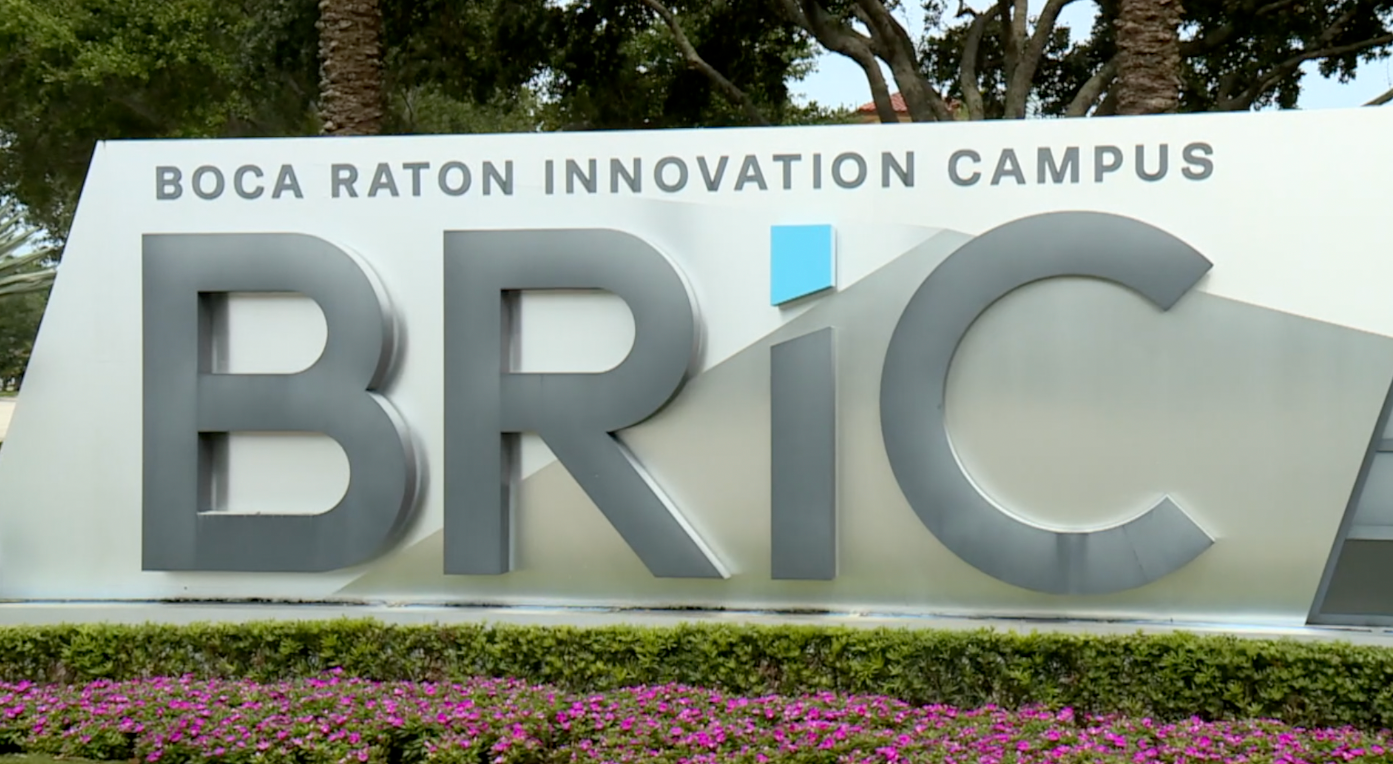
The company announced that it had acquired the 124-acre Boca Raton Innovation Campus at 5000 T-Rex Avenue, west of Interstate 95 near Yamato Road. The purchase price was not disclosed. The property contains approximately 1.7 million square feet of office space and is one of Boca Raton's largest employment centers. IBM developed its first personal computer there before leaving the campus in 1996. (WPBF)
Related Ross says it will continue operating BRiC as an office and technology campus while developing a long-term vision that could add restaurants, retail and other amenities. The location offers unusual advantages for growth: BRiC is near the Boca Raton Tri-Rail station, Florida Atlantic University, Interstate 95 and Boca Raton Airport. Quantum-computing company D-Wave has selected the campus for its new headquarters, creating the possibility of a genuine technology cluster rather than another predominantly residential project.
The potential scale, however, deserves close attention. Development plans approved before the sale allow up to 1,243 residences, 125,000 square feet of retail, 55,000 square feet of entertainment uses, 85,000 square feet of medical offices and a 140-room hotel. (Bisnow) Earlier proposals also included multiple apartment buildings, a museum and a convention center. Residents have raised concerns about additional traffic, crowded schools and pressure on public facilities. (WPTV)
BRiC may be one of Boca's most logical places for significant growth. It is a large, privately owned property beside regional transit, major roads and existing jobs—not an undeveloped natural area or public civic space. But location alone does not make development responsible. The city and developer must still address traffic, building scale, environmental effects, historic preservation and whether any new housing will be attainable to people who work in Boca.
The central question is not whether BRiC should change. It is whether Related Ross can create a more productive, connected district without leaving surrounding neighborhoods and taxpayers to absorb the costs.